
THE CLUES YOUR HOME IS GIVING YOU
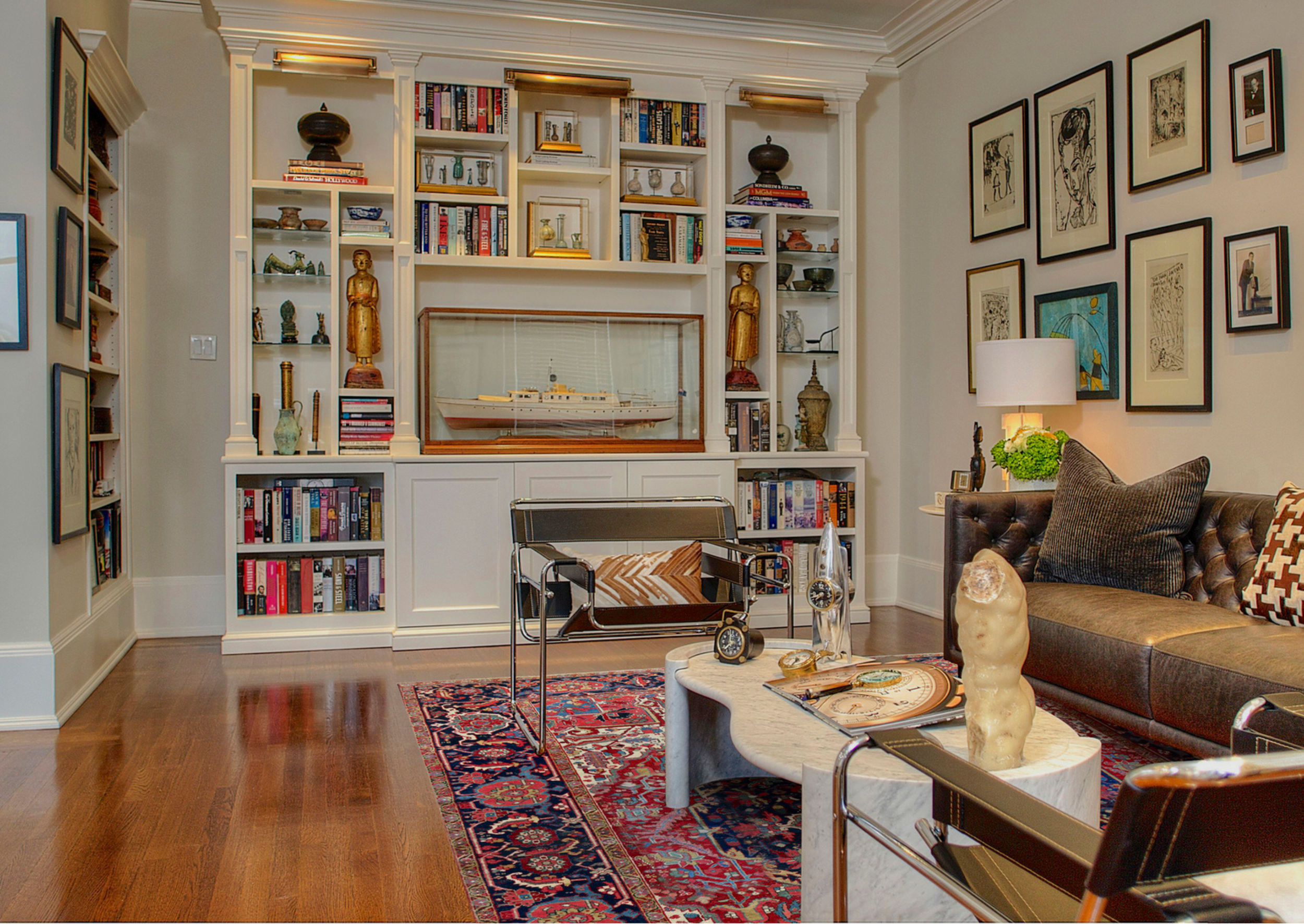
These custom bookcases were designed around the client’s books and personal collections—with room for the collection to continue evolving.
What everyday friction can teach us about better design
There is something about September that has always felt like a second beginning.
Summer travel begins to wind down. School resumes. Work becomes more structured. Even households without school-age children tend to feel the shift. We cook at home more often, evenings gradually move indoors, schedules become fuller, and familiar routines return.
And with that return, something interesting happens: we begin to notice our homes again.
Not necessarily the things we want to change aesthetically, but the small ways our surroundings either support everyday life—or quietly complicate it.
Perhaps the kitchen worked beautifully when mornings were leisurely, but feels entirely different when everyone needs to leave at the same time. The dining room may have slowly become a landing place for things that don't have another home. Or the entry that looks perfectly lovely may offer nowhere convenient to put a bag, keys, or mail at the end of the day.
These small frustrations are easy to dismiss. But as a designer, I find them incredibly useful.
Friction is a design clue
When something repeatedly feels awkward, inconvenient, or simply doesn't get used, our homes may be telling us something. Rather than immediately asking what needs to be purchased or changed, I like to begin by observing.
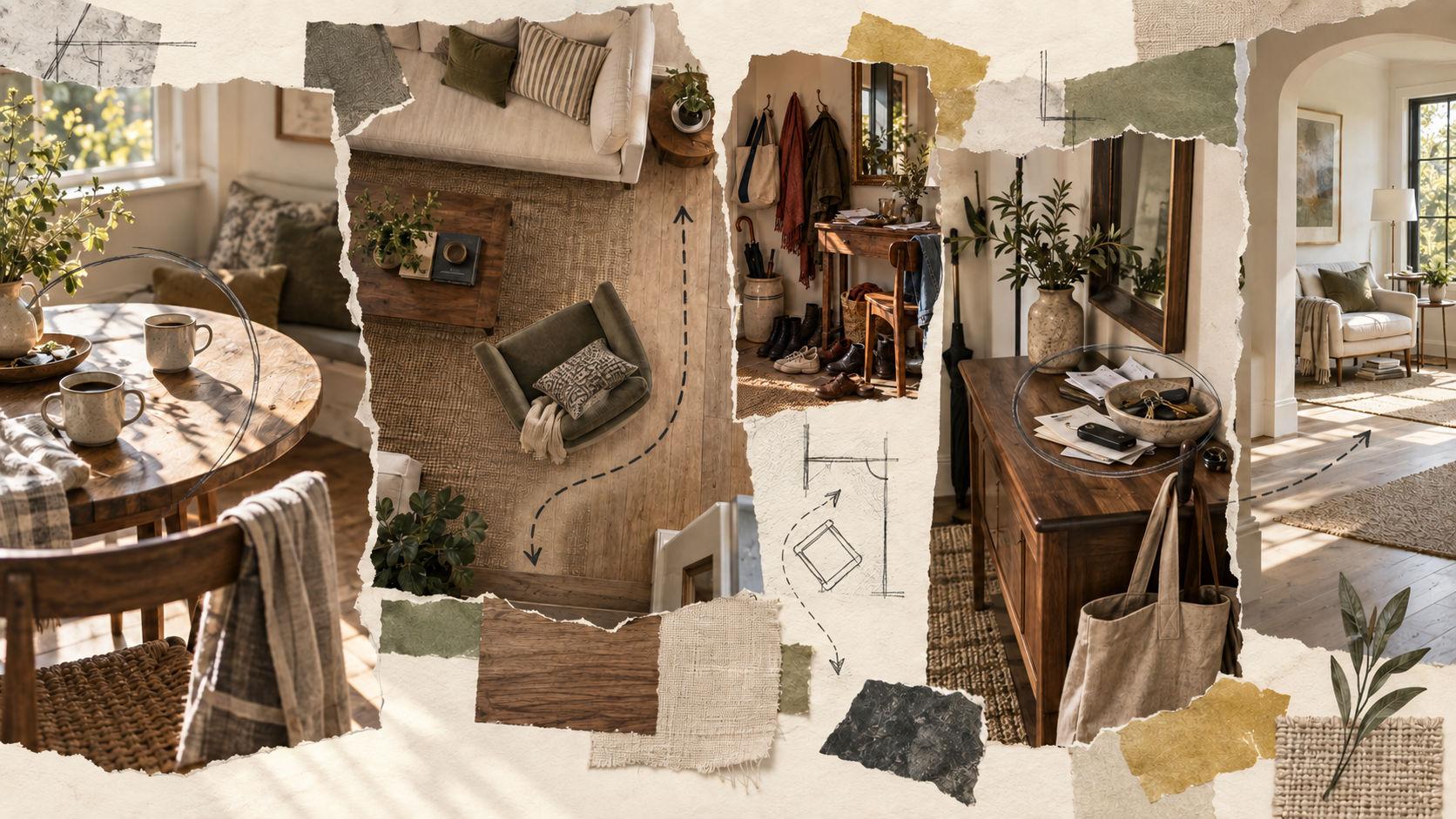
Small inconveniences are easy to overlook. But when the same frustration appears day after day, it often reveals something the space is asking us to reconsider.
WHERE DOES YOUR DAY BEGIN, AND IS THAT SPACE HELPING YOU?
Think about the first hour of your morning. Perhaps it begins in the primary bath, dressing area, kitchen, or mudroom.
Are the things you reach for every morning actually where you need them? Can two people comfortably move through the space at the same time? Is the lighting appropriate for what you're doing?
Good design isn't only about how a room appears when everything is perfectly arranged. It is also about how effortlessly it supports an ordinary Tuesday morning.
Where does clutter consistently collect?
Clutter can be information.
A pile of bags beside the door may indicate that there isn't an adequate landing place. Mail accumulating on the kitchen island may mean that no convenient place was ever designed to receive it.
Rather than asking, Why can't we keep this area organized?, sometimes the better question is, Why does everything keep ending up here?
The answer can reveal what the space is missing.
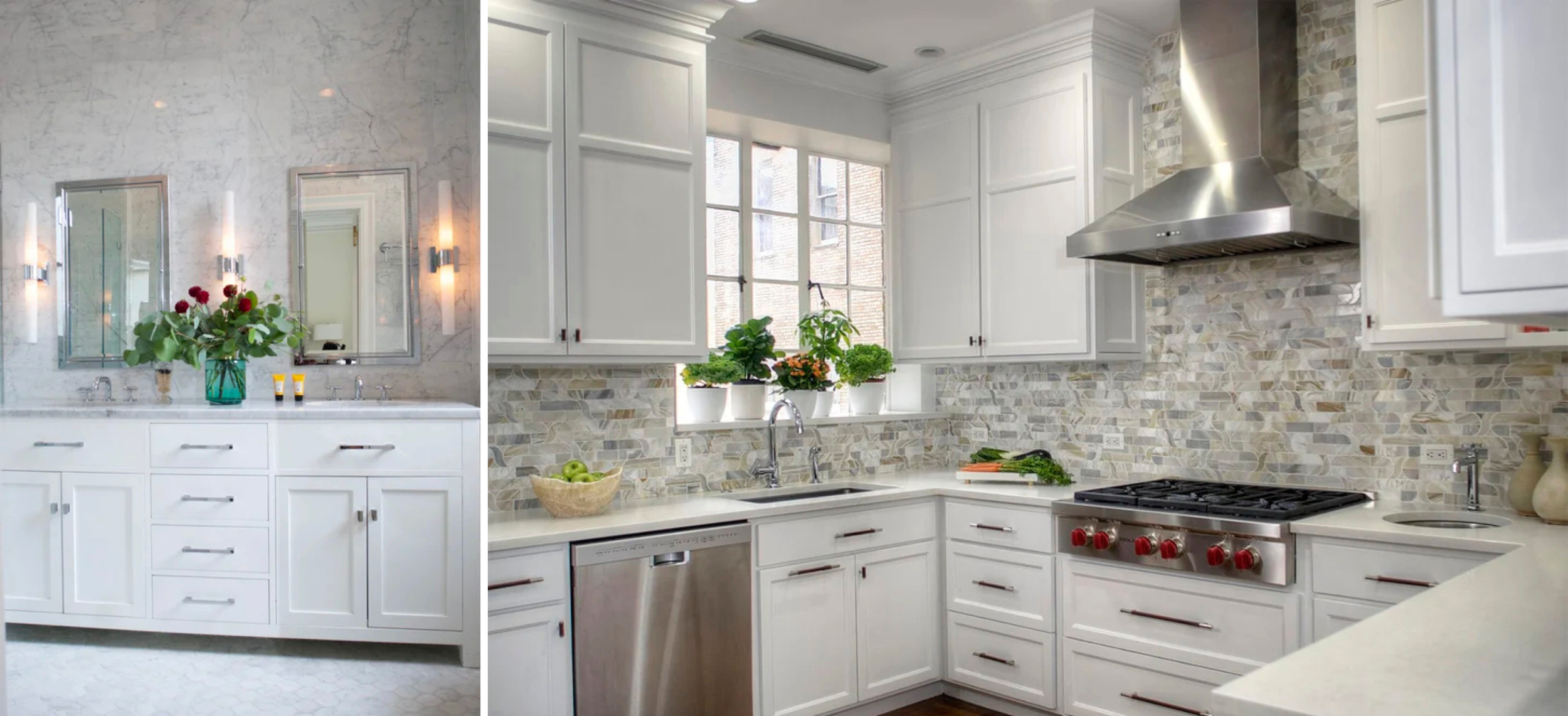
In kitchens and baths especially, we think about what needs to be within reach, what can be concealed, and how organization can support the rhythm of everyday life.
Which rooms are you actually using?
Homes evolve because the people living in them evolve.
A room designed for one stage of life may no longer serve the next. A formal dining room may be used differently once children leave home. A guest room might need to become a creative space or office. A living room arranged years ago may no longer reflect the way you entertain—or the way you relax.
An unused room isn't necessarily a decorating problem. Sometimes it is simply waiting for a new purpose.
What happens when everyone comes home?
The transition between outside life and home life is one of the most revealing moments of the day.
Where do people naturally enter? Where do coats, shoes, bags and devices go? Do circulation paths cross awkwardly? Is there a comfortable place to gather without interrupting someone cooking or working?
Storage matters, of course, but so do lighting, acoustics, circulation and the relationships between rooms.
Often, what appears to be one small inconvenience is connected to something much larger about how a home functions.
How does your home help you transition from activity to rest?
Home should give us somewhere to exhale.
That doesn't mean every room needs to be quiet or neutral. It means there should be a sense of ease when we return to it.
Can you walk through the door and settle naturally into your evening? Is there somewhere comfortable to sit, read, talk, cook, listen to music or simply be still? Or do small obstacles continually demand your attention?
Those moments matter.
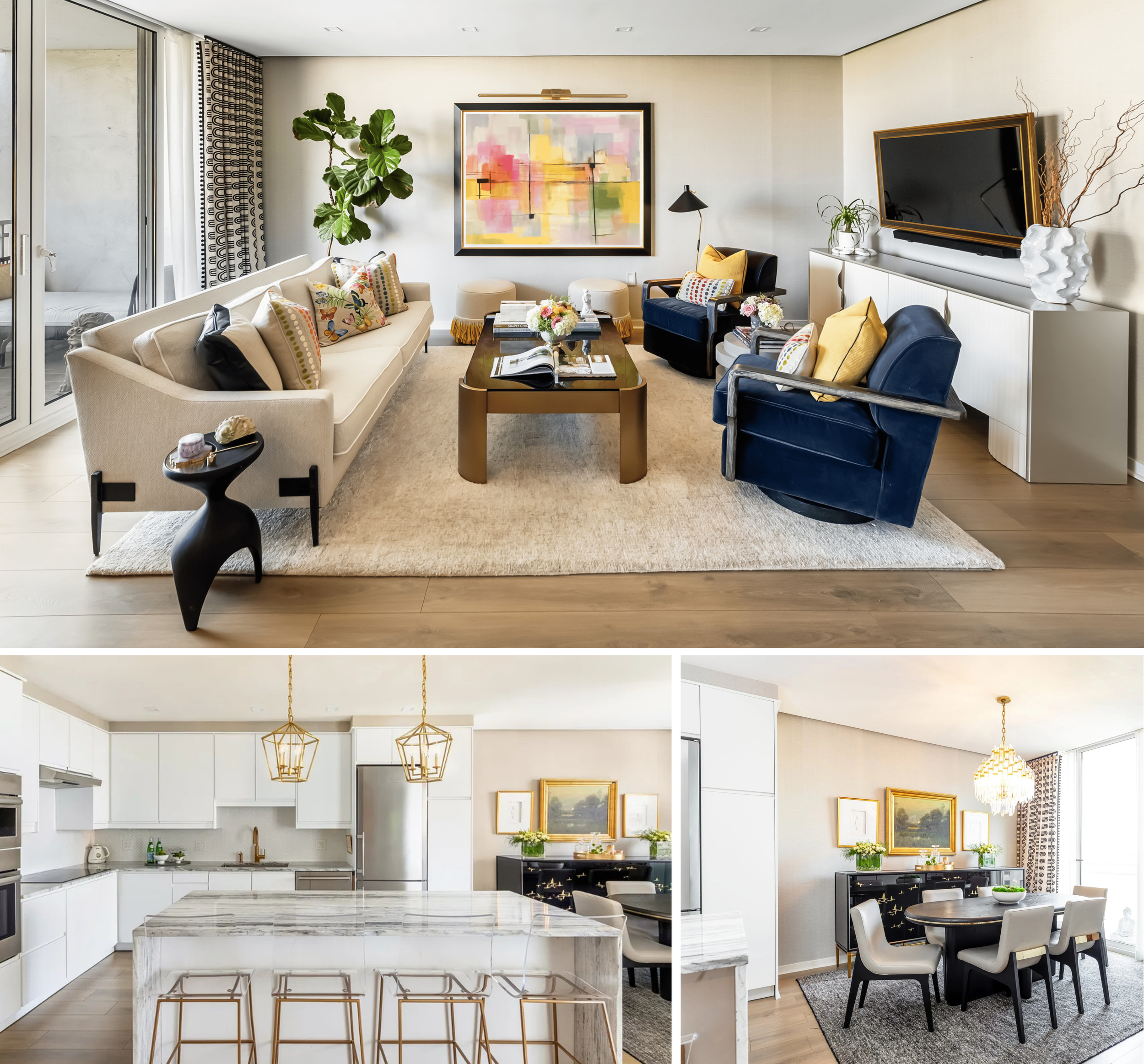
Good design considers not only how you live today, but how your home—and the things you collect—will evolve over time.
Look again
The most meaningful seasonal reset may have very little to do with changing pillows, adding autumn colors, or buying something new.
Sometimes it begins by paying attention.
Notice where you naturally gather. Notice what you continually walk around. Notice the room nobody uses and the corner where everything seems to accumulate. Notice what makes everyday life easier—and what quietly gets in the way.
Because when something in your home creates friction day after day, it may not simply be an annoyance.
It may be a clue.
And sometimes, seeing the problem differently is the first step toward designing a home that lives better.
We are a Philadelphia-based interior design studio. At Stella Ludwig Interiors, we design extraordinary homes for busy lives. Our clients value beauty, trust expertise, and seek a seamless experience that allows them to focus on living well while we thoughtfully manage every detail. We draw inspiration from the elegance of historic European architecture, the richness of the natural world, and the enduring influence of fashion design. Guided by intuition, craftsmanship, and a deep understanding of how people live, we create deeply personal homes- spaces that support who our clients are today and the lives they are dreaming of creating. Stella Ludwig Interiors projects and ideas have been featured in Elle Decor, Architectural Digest, Philadelphia Magazine, Philly+Home Design Magazine, Philadelphia Style, Philadelphia & Suburban Life Magazine, Bucks House & Home, and Real Estate and Design Industry Blogs.


