
The Quiet Work of Designing for Mental Health
What Your Space Is Doing to You When You’re Not Paying Attention
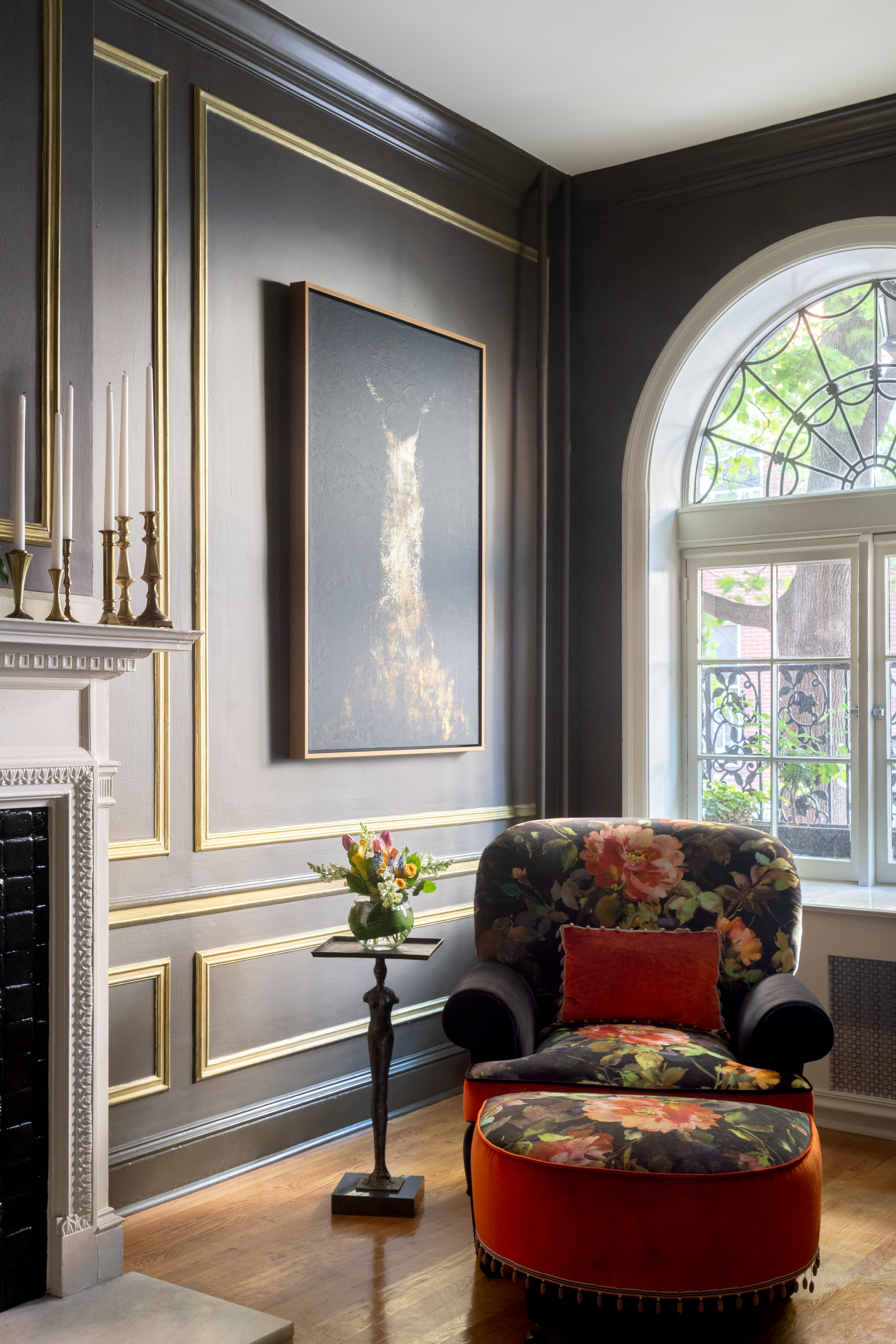
Most conversations about mental health focus on internal tools: coping strategies, mindfulness, therapy, rest, and boundaries. These matter deeply. But there’s another influence that often goes unnoticed because it feels so ordinary: the environment you live in every day.
Your home is not neutral. It is actively shaping your attention, your stress levels, your sense of rest, and even how quickly you recover from emotionally difficult days.
And while that might sound overwhelming, it also means something important: small, intentional changes in your space can make life feel more manageable.
Not perfect. Not transformed. Just more supported.
Why space matters more than we realize
The brain is constantly processing surroundings—light, clutter, color, sound, and spatial flow. Most of this processing happens below awareness, which is why a space can feel “off” without being able to explain why.
When a space is visually noisy, poorly lit, or functionally chaotic, the body often stays in a low level of stress without a clear reason. Over time, that adds up.
On the other hand, when a space is calm, predictable, and easy to move through, it can reduce that background strain.
This is where interior design becomes more than aesthetics. It becomes emotional infrastructure.
The entry point: where stress either carries in or starts to release
One of the most overlooked areas of mental health support in a home is the transition from outside to inside.
The entryway sets the tone for everything that follows.
A supportive entry doesn’t need to be elaborate. It simply needs to reduce friction:
A place where belongings can land without piling up
Lighting that feels warm rather than harsh
A sense of visual simplicity as soon as you walk in
This moment matters because your nervous system is still carrying whatever you experienced outside. The goal is to help it settle, not stay activated.
Lighting as emotional regulation
Lighting is one of the most direct ways to shift how a space feels in your body.
Bright overhead lighting often signals alertness. Warm, layered lighting signals safety and rest.
A well-supported home usually includes:
Multiple light sources instead of one central harsh light
Dimmable options when possible
Softer lighting in evening spaces
This isn’t just about ambiance. It’s about helping the body recognize when it’s safe to slow down.
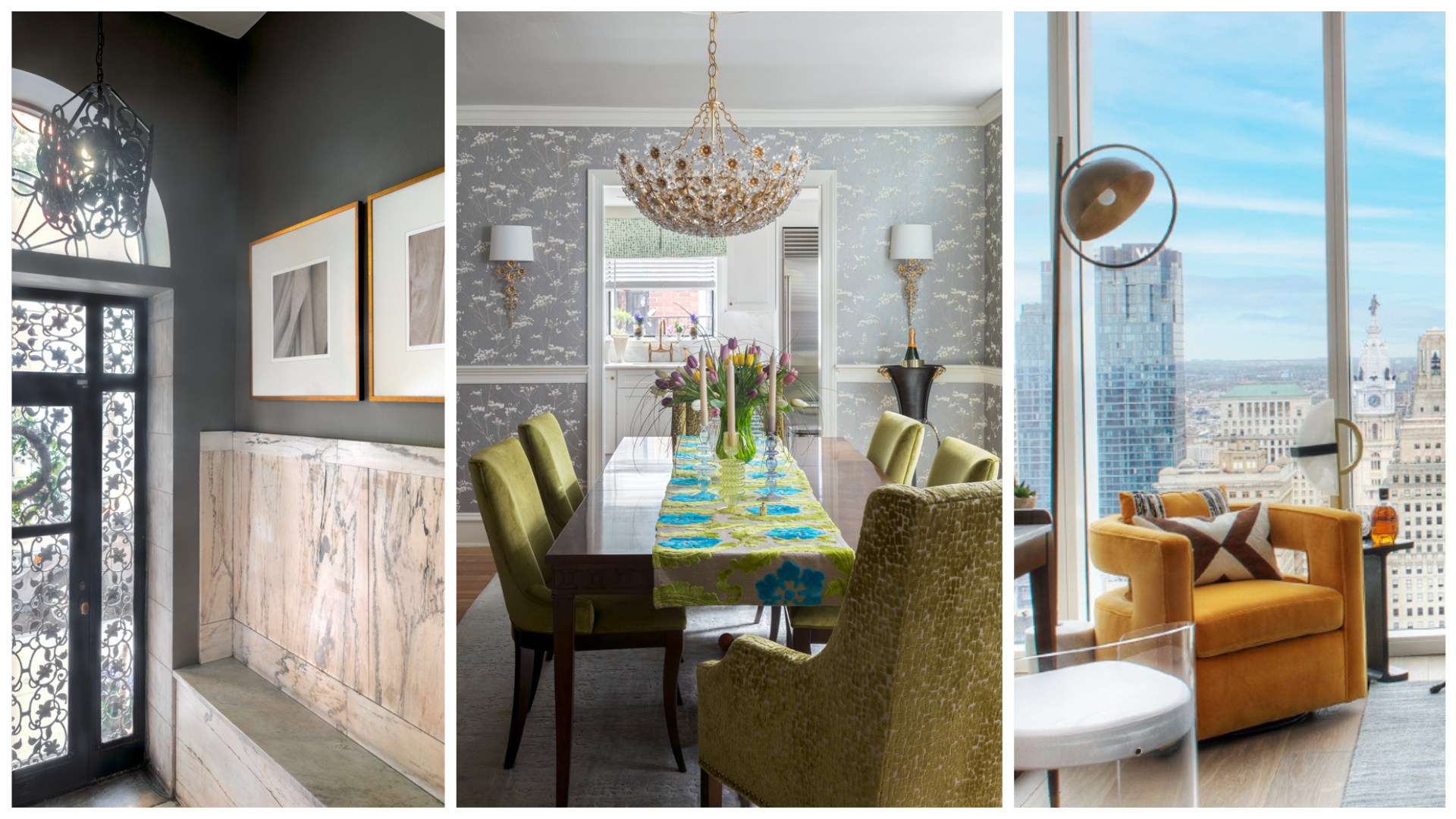
Why “empty space” is also a design
There’s a misconception that a well-designed home should be filled, styled, or visually complete.
But from a mental health perspective, empty space is not absence—it’s capacity.
A corner with nothing demanding attention. A surface that isn’t filled. A chair that isn’t assigned a task.
These spaces give the mind somewhere to rest visually. They reduce cognitive load in a way that decoration alone cannot.
Clutter is not just physical…it’s cognitive
Clutter competes for attention. Even when you’re not actively noticing it, your brain is tracking it.
This is why high-traffic areas like kitchens and bathrooms benefit so much from visual clarity.
When surfaces are clear and storage is intentional, the mind doesn’t have to process as much “unfinished visual information.” That reduction in background noise can feel like relief, even if it’s subtle.
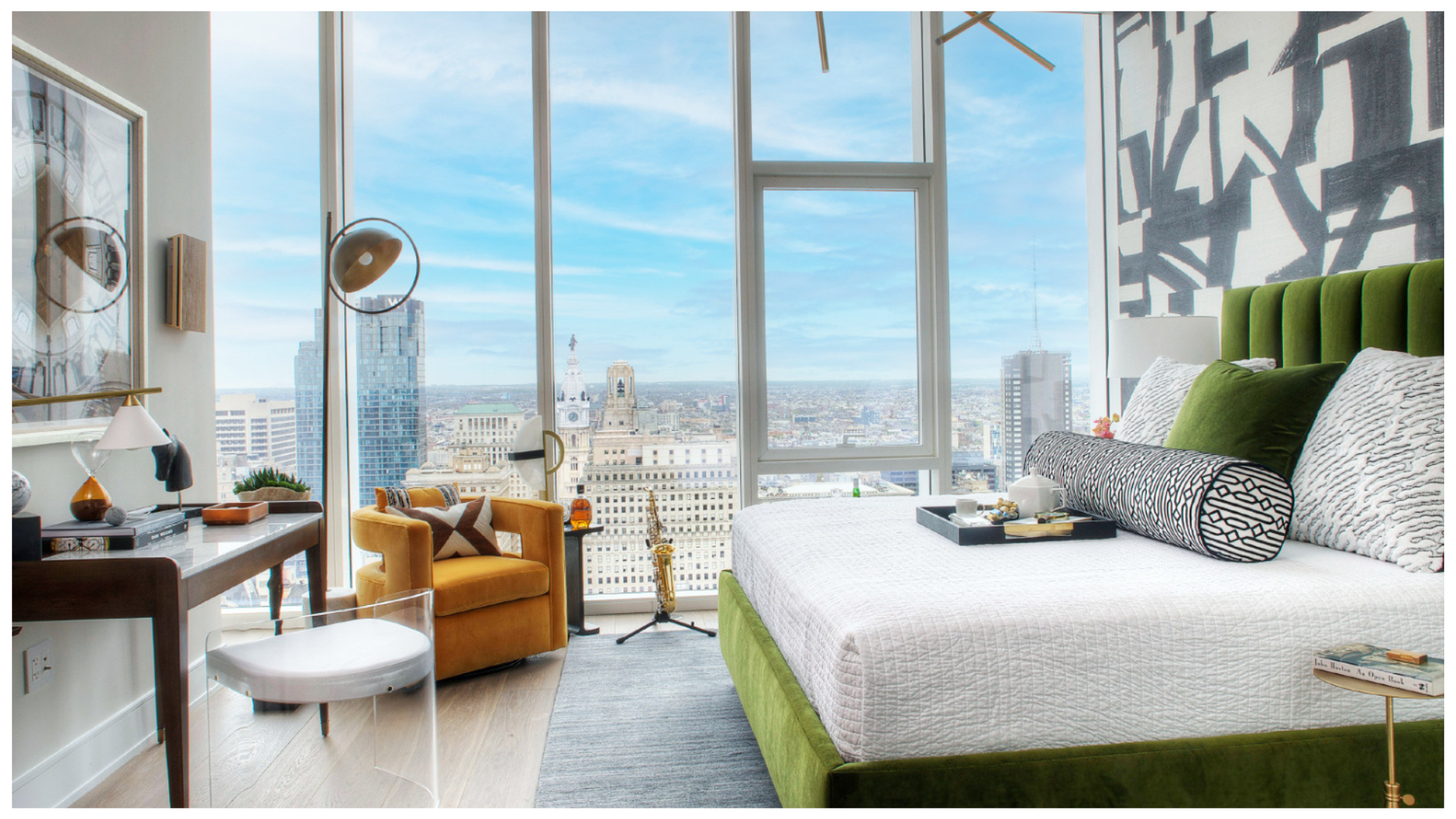
Sleep spaces and emotional recovery
Sleep is one of the most important mental health regulators we have, yet bedrooms often become multi-purpose spaces.
When a bedroom becomes a place for work, scrolling, or emotional overstimulation, it can blur the body’s ability to recognize rest.
Supportive sleep environments tend to share a few traits:
Minimal stimulation
Soft, breathable textures
Reduced screen exposure
Clear separation from work or stress-related activity
This helps reinforce the association between the space and recovery.
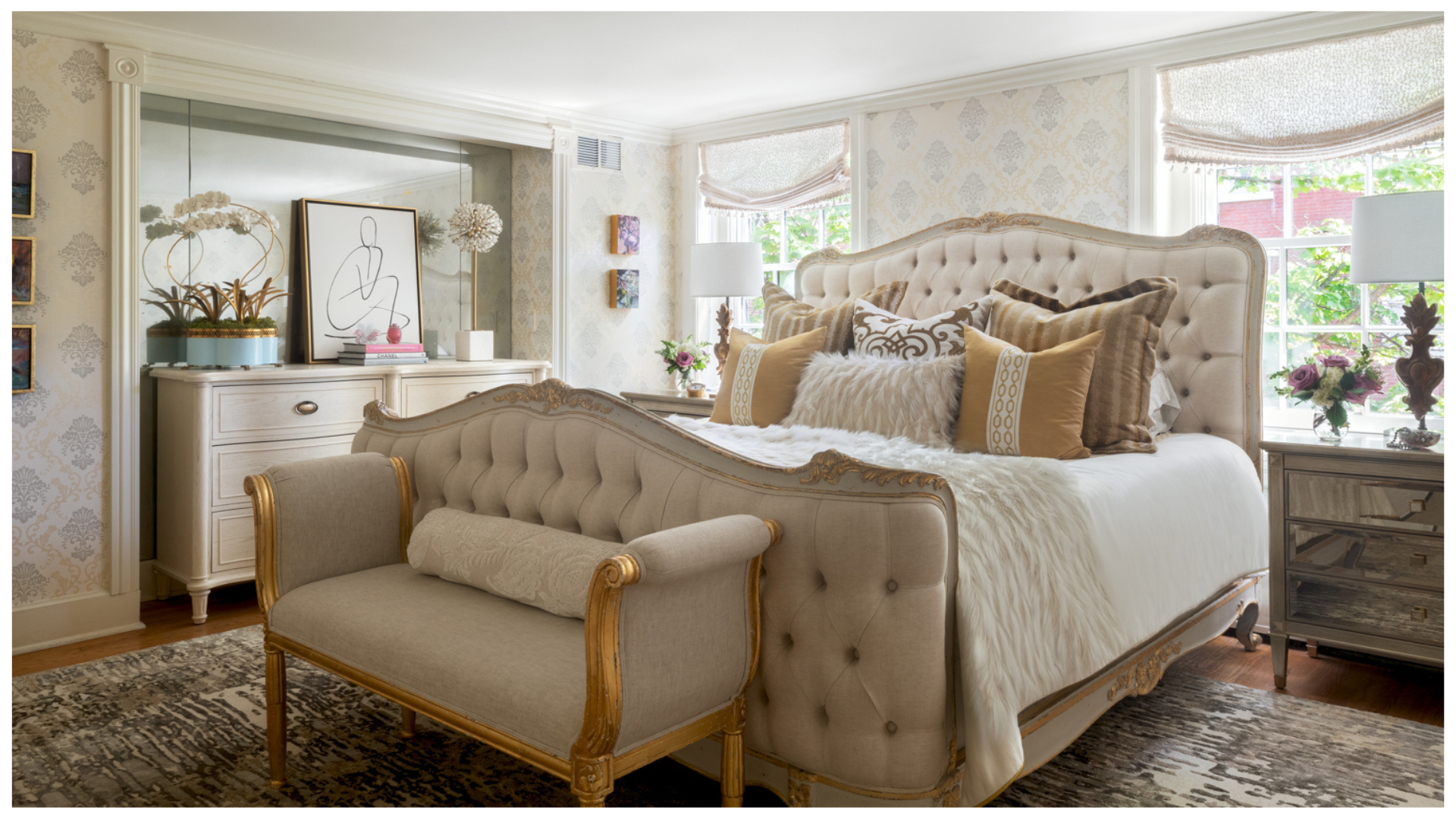
Nature as a stabilizer, not a trend
Natural elements are often discussed in design trends, but their impact is more functional than aesthetic.
Plants, natural materials, and daylight exposure all help regulate stress responses in the body.
Even small additions—like a single plant in your line of sight—can create a subtle grounding effect over time.
Designing for real life, not ideal life
The goal of a mentally supportive space is not perfection. It is usable during imperfect days.
Some days are productive. Some are heavy. Some are emotionally scattered.
A supportive environment doesn’t require you to feel a certain way in order to function. It adapts with you.
Final thought
Mental health is not only shaped by what we do internally, but also by what surrounds us externally.
Your space doesn’t have to fix anything.
But it can make things feel slightly easier to carry, slightly easier to release, and slightly easier to move through.
And sometimes, that small difference is what changes the rhythm of a day.
Stella Ludwig Interiors is an award-winning boutique design firm specializing in high-end residential design. Located in the historic Rittenhouse Square area, we service discerning professional clients, empty nesters, and busy executives, as well as international families living in the Greater Philadelphia region and beyond. We are known for creating distinctive interiors that exude elegance with style and panache, and we feel privileged to work in an ever-changing creative industry that allows us to use our experience and talents to bring joy to those we serve. Stella Ludwig Interiors projects and ideas have been featured in Elle Decor, Architectural Digest, Philadelphia Magazine, Philly+Home Design Magazine, Philadelphia Style, Philadelphia & Suburban Life Magazine, Bucks House & Home, and Real Estate and Design Industry Blogs.


