
Designing for Togetherness
How Interior Design Can Help Us Gather & Support Each Other During Mental Health Awareness Month
Mental Health Awareness Month is a reminder that support doesn’t always come from big gestures—it often grows out of small, consistent moments of connection. The spaces we spend time in can either make those moments easier or quietly discourage them.
Interior design plays a subtle but powerful role here. It can help create environments where people feel comfortable opening up, being present, and simply not feeling alone.
Here’s how thoughtful design can support gathering and connection in meaningful, realistic ways.
1. Make Gathering the Default, Not the Effort
If your space is designed primarily for solo activities (TV-facing seating, isolated corners, or closed-off layouts) connection tends to require effort.
Instead, shift your layout to encourage interaction:
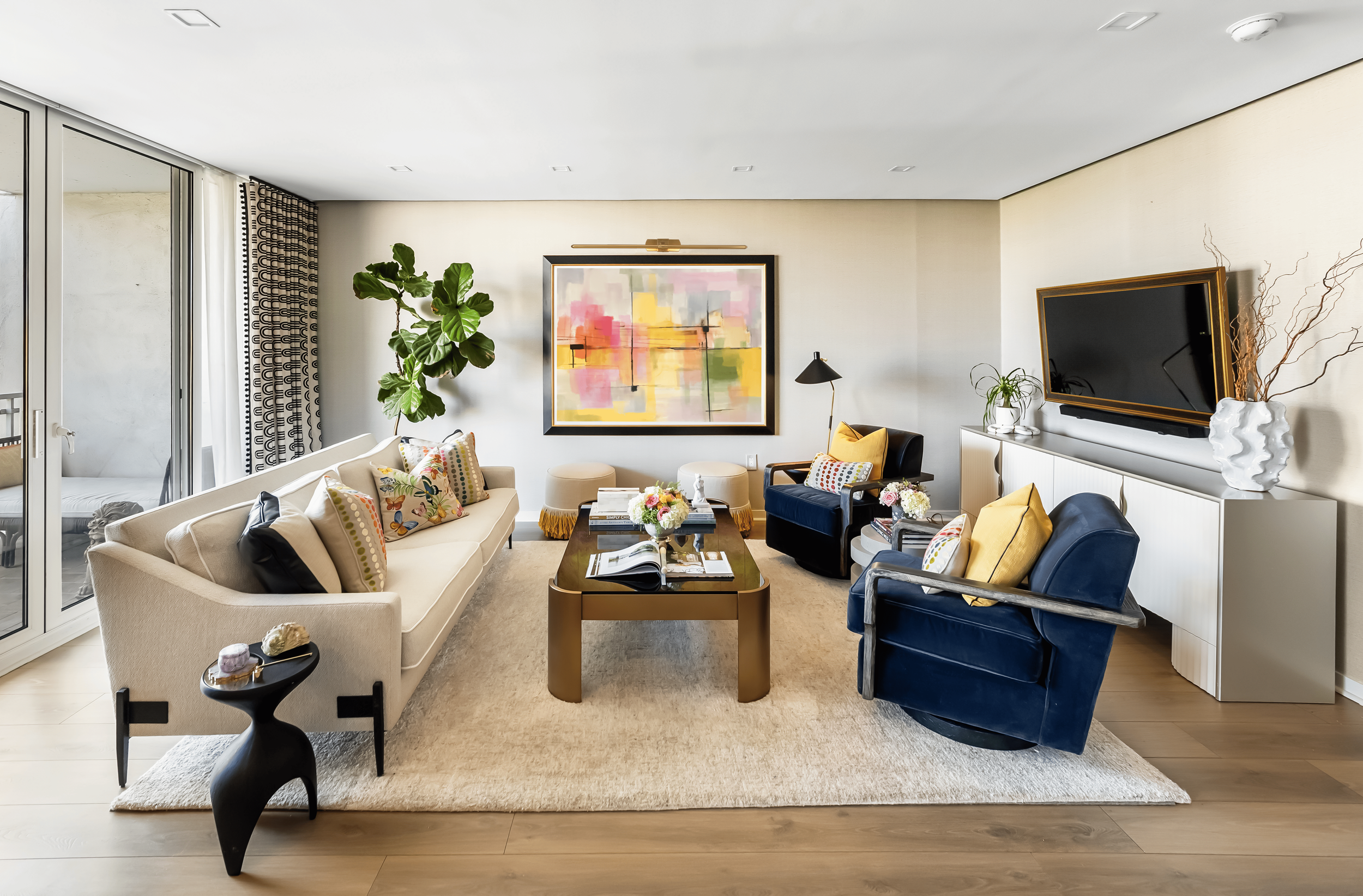
Arrange seating to face each other, not just a screen
Use round or central tables to anchor the conversation
Keep pathways open so people naturally move and settle together
Even small changes can make gathering feel more natural than forced.
Why it matters:
When connection is easy, it happens more often, and that consistency is key to mental well-being.
2. Create a “Soft Landing” Space
Not every gathering needs to be high-energy or social in the traditional sense. Sometimes support looks like sitting quietly in the same room.
Design a space that allows for that:
Comfortable seating with soft textures
Warm, layered lighting instead of harsh overhead lights
Blankets, pillows, or rugs that invite people to settle in
This kind of environment lowers pressure and makes it easier for people to show up as they are.
Why it matters:
People are more likely to open up when they feel physically and emotionally at ease.
3. Design for Ritual, Not Just Occasion
Support doesn’t only happen during planned events; it grows through routine.
Think about how your space can support small, repeatable moments:
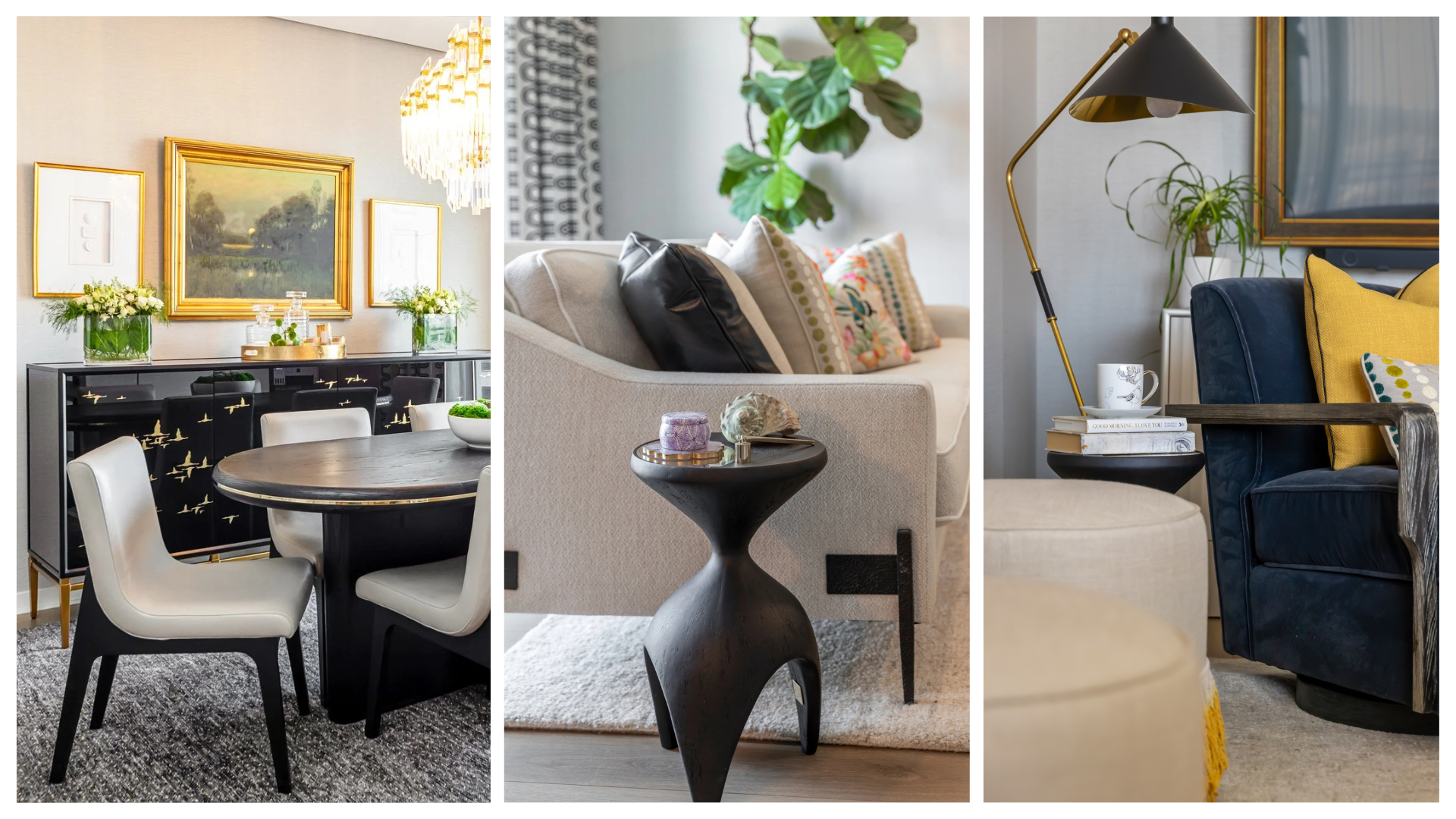
A dining table that encourages shared meals
A coffee or tea station that invites pause and conversation
A cozy corner for end-of-day check-ins
When your environment supports these rituals, connection becomes part of daily life instead of something you have to schedule.
Why it matters:
Regular, low-pressure interaction strengthens emotional support systems over time.
4. Reduce Distractions to Increase Presence
Technology can easily dominate shared spaces. While it’s not inherently negative, it can limit meaningful interaction if it’s the focal point.
Consider:
Creating tech-free zones or times
Positioning seating away from constant screen focus
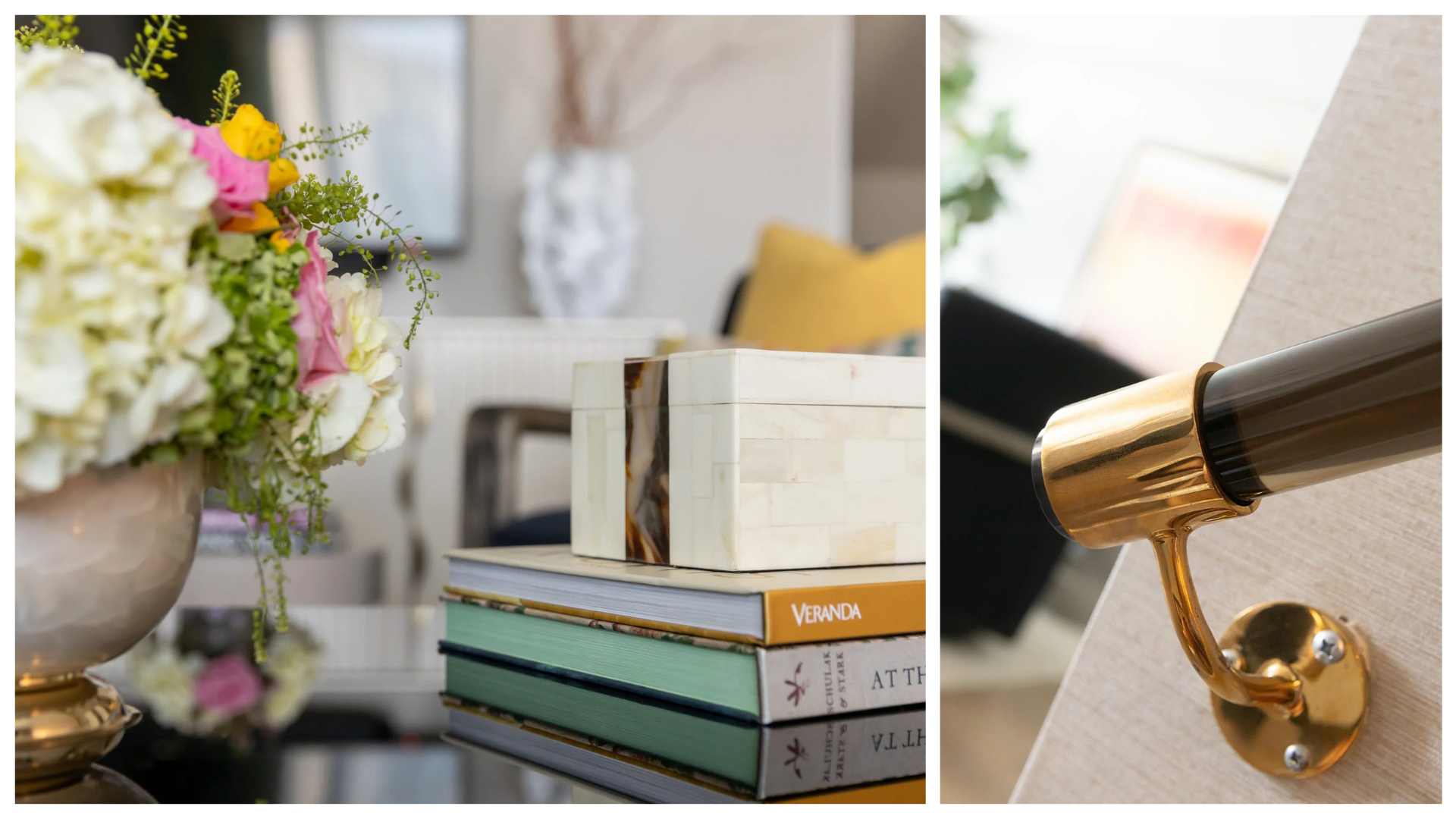
Using design elements (like books, candles, or games) to encourage engagement
Why it matters:
Presence (not just proximity) is what actually supports mental health.
5. Use Design to Signal Safety
People pick up on cues from their environment. A space can subtly communicate whether it’s okay to relax, open up, or stay guarded.
You can create a sense of safety through:
Warm, neutral color palettes
Soft lighting and natural materials
Thoughtful spacing (not overcrowded, not too sparse)
Avoid overly rigid or overly styled spaces that feel like they can’t be “lived in.”
Why it matters:
When a space feels safe, people are more likely to be honest and vulnerable.
6. Incorporate Elements That Invite Interaction
Sometimes people need a gentle “in” to connect.
Design can help by including:
Board games or shared activities on display
A central coffee table with conversation starters (books, objects, cards)
Flexible seating that allows people to adjust and engage comfortably
These elements remove some of the pressure of starting conversations from scratch.
Why it matters:
Connection often begins with something small and shared.
7. Make Room for Different Types of Connection
Not everyone connects in the same way. Some people want to talk, others prefer quiet companionship.
A well-designed space can support both:
Open areas for group interaction
Smaller nooks for one-on-one conversations
Flexible seating arrangements that adapt to different needs
Why it matters:
Inclusive spaces allow more people to feel comfortable engaging in ways that suit them.
8. Let the Space Reflect Care
A thoughtfully designed space communicates something important: someone cared enough to make this environment welcoming.
This doesn’t mean perfection—it means intention.
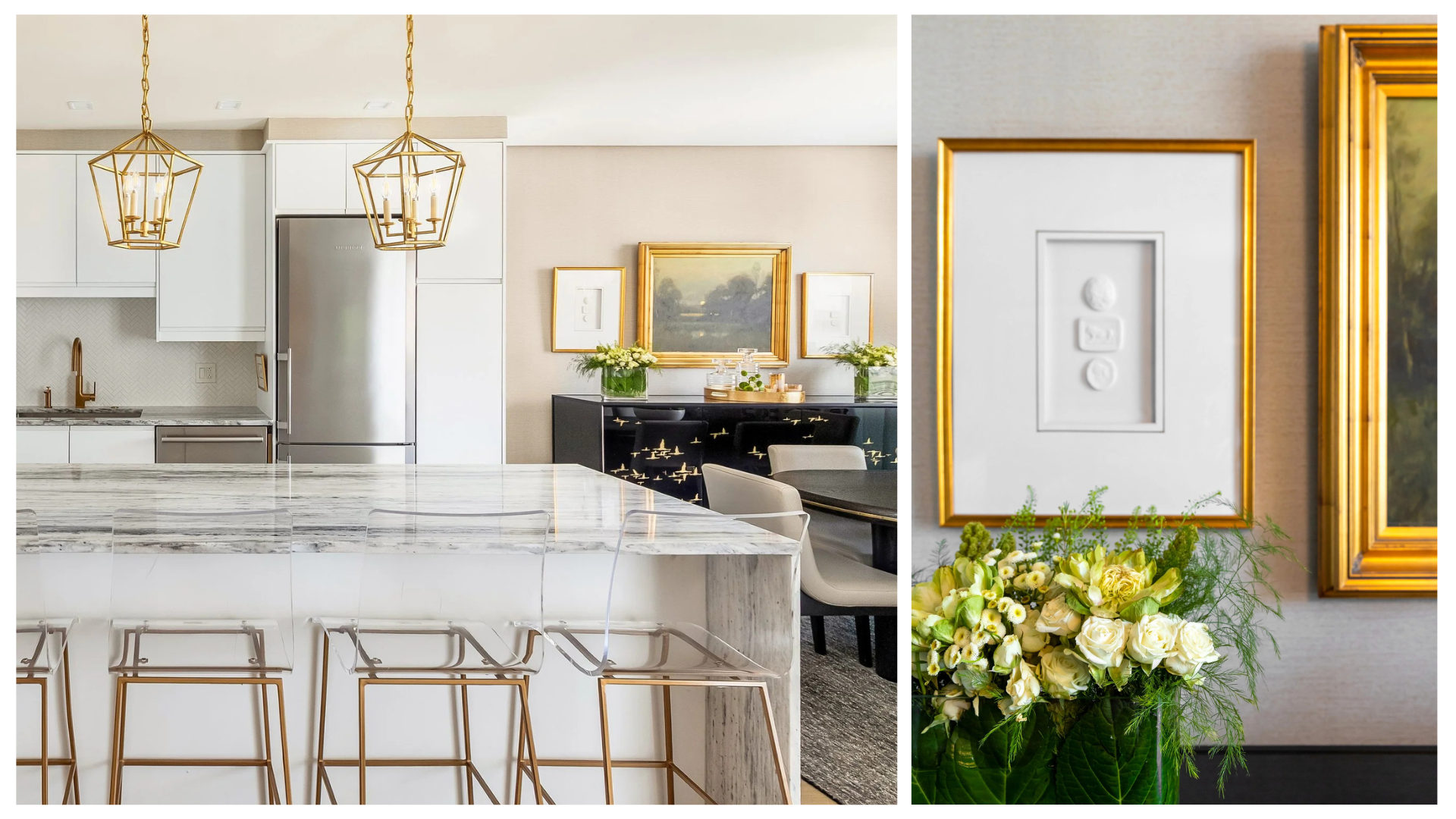
Fresh flowers, a clean and organized room, comfortable seating, or even a well-lit space all send a message that people are valued there.
Why it matters:
Feeling considered and welcomed can make it easier for someone to accept support.
A Final Thought
Interior design won’t replace conversation, therapy, or deeper forms of support—but it can make those things more accessible.
A well-designed space removes barriers. It makes it easier to sit down, stay a little longer, and say the things that might otherwise go unsaid.
This Mental Health Awareness Month, think beyond how your space looks. Think about how it functions for connection.
Because sometimes, the most meaningful support starts with simply having a place to gather.
Stella Ludwig Interiors is an award-winning boutique design firm specializing in high-end residential design. Located in the historic Rittenhouse Square area, we service discerning professional clients, empty nesters, and busy executives, as well as international families living in the Greater Philadelphia region and beyond. We are known for creating distinctive interiors that exude elegance with style and panache, and we feel privileged to work in an ever-changing creative industry that allows us to use our experience and talents to bring joy to those we serve. Stella Ludwig Interiors projects and ideas have been featured in Elle Decor, Architectural Digest, Philadelphia Magazine, Philly+Home Design Magazine, Philadelphia Style, Philadelphia & Suburban Life Magazine, Bucks House & Home, and Real Estate and Design Industry Blogs.


